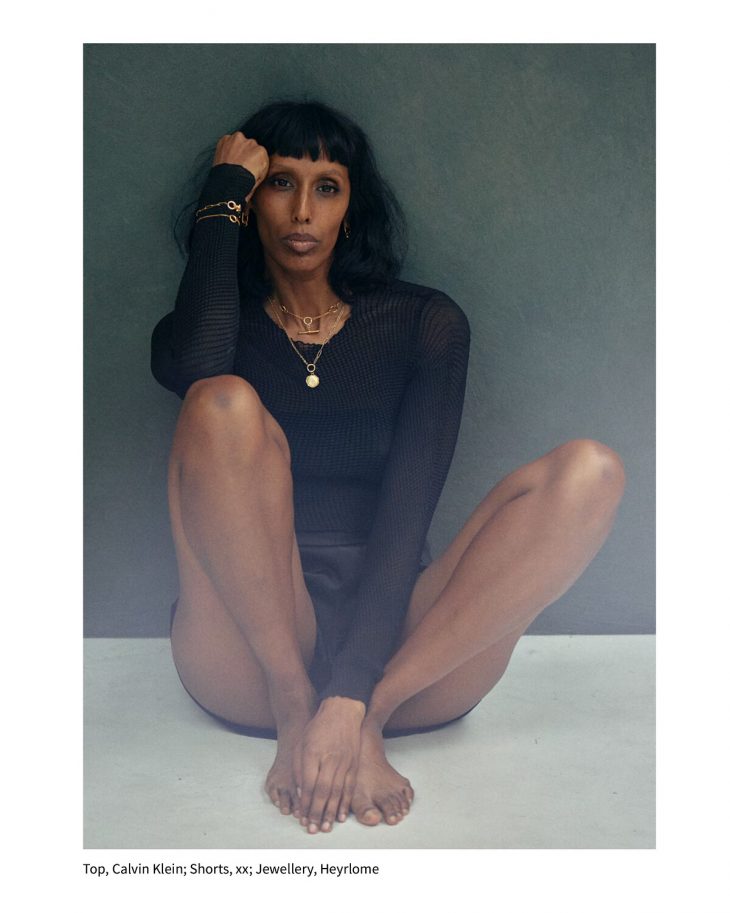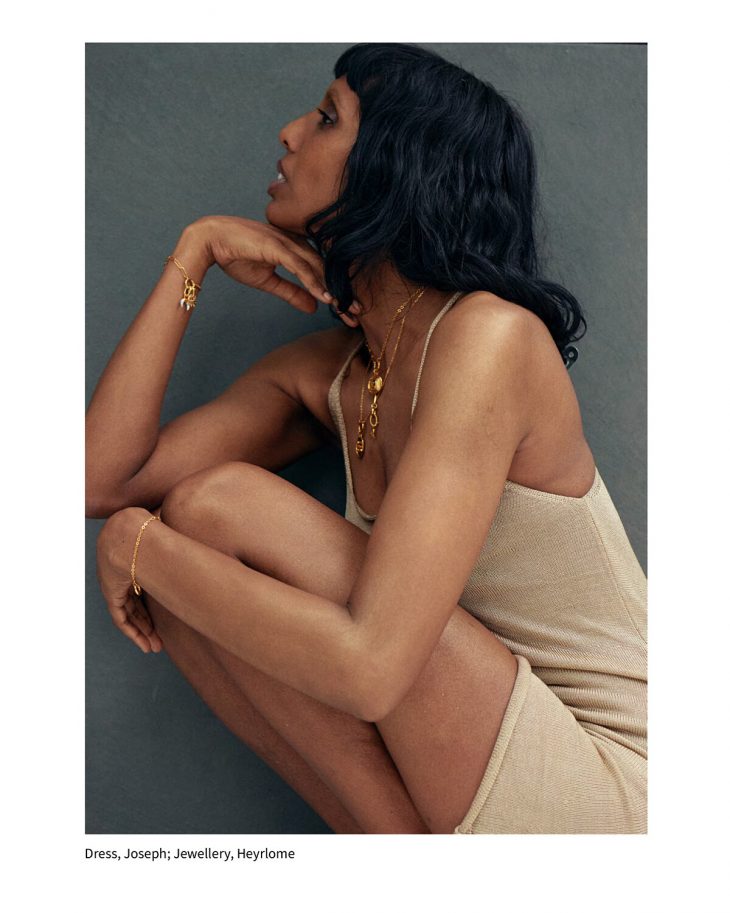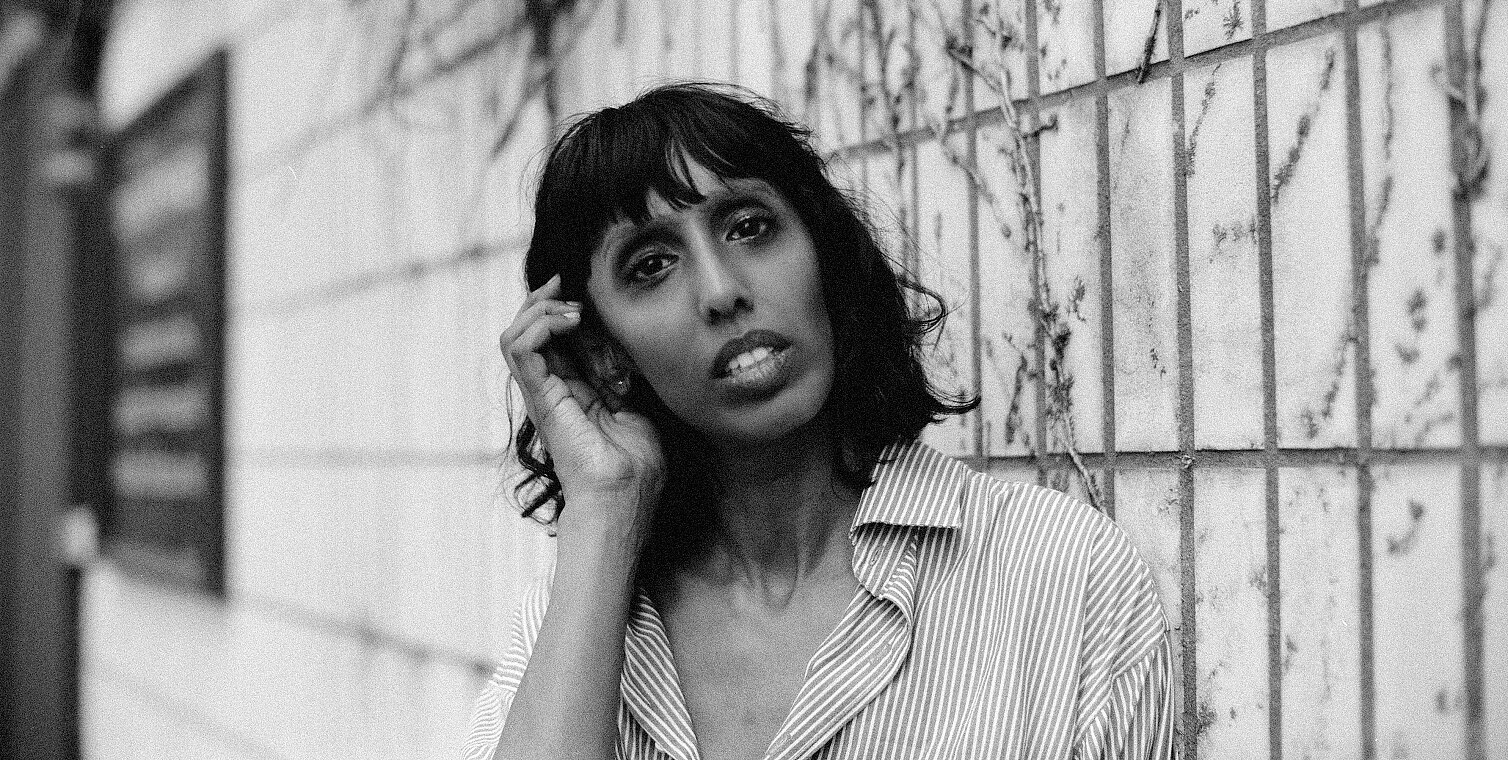
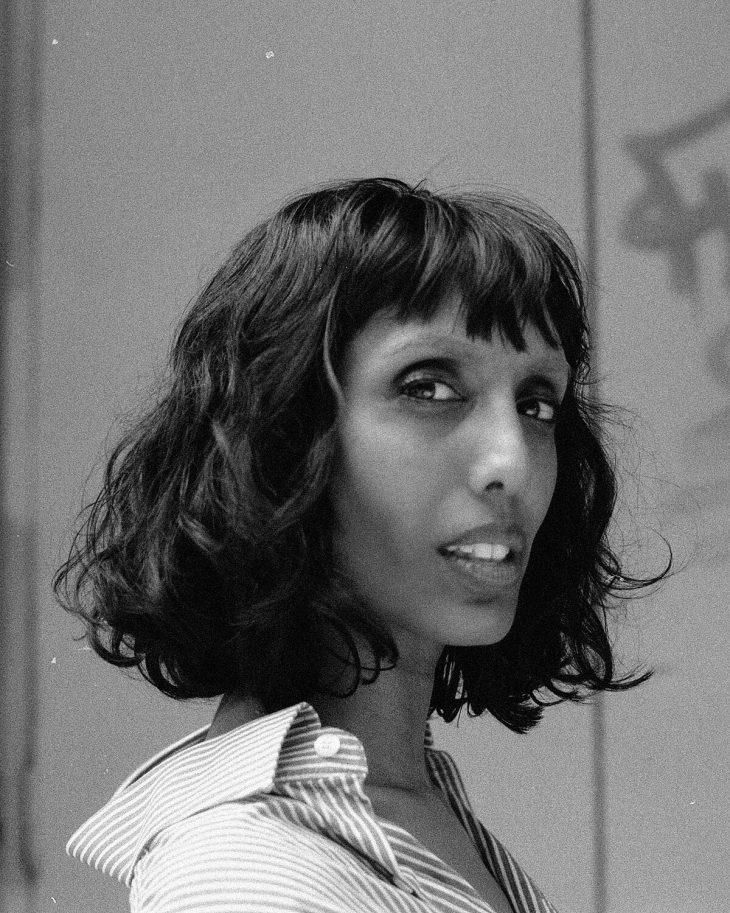
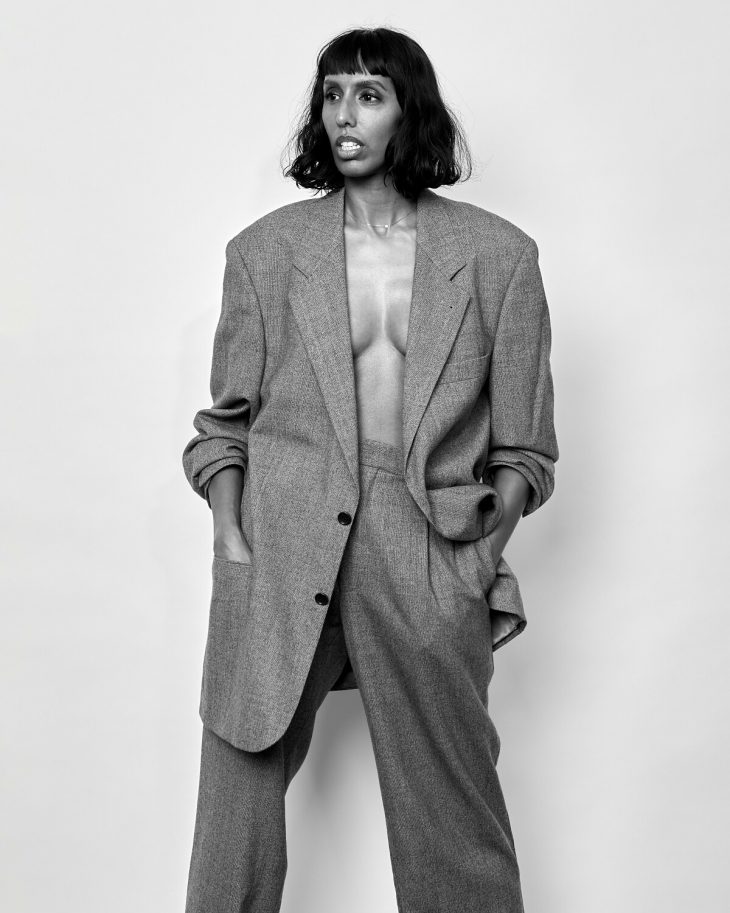
In celebration of South Asian Heritage Month, I had the pleasure of sitting down with Natalya Chew, a model of South Indian and Guyanese heritage, to talk identity, culture, and the power of representation.
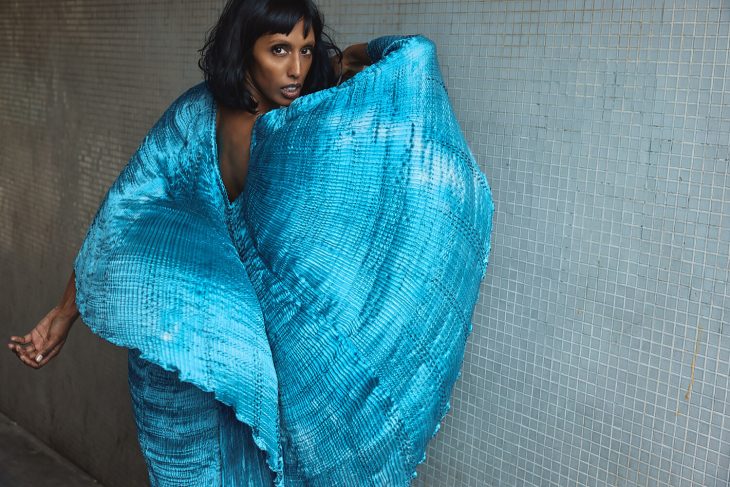
What does South Asian Heritage Month mean to you personally?
As someone who’s half Guyanese and half South Indian—my mum was a Singh and my dad a Nair—South Asian Heritage Month is a chance to celebrate both sides of my identity. It’s a time to honour my roots, reflect on my family’s journey, and feel proud of the rich, diverse cultures that shaped me.
How has your cultural background influenced your journey as a model?
Being half Guyanese and half South Indian has given me a unique look and perspective that sets me apart in the industry. It’s helped me embrace my individuality and represent a blend of cultures that aren’t always visible in fashion. My background has made me proud to bring more diversity to the runway and challenge traditional beauty standards.
Were there any cultural challenges or expectations you had to navigate while pursuing a modelling career?
Yes, there were definitely cultural expectations, especially around choosing a creative path like modeling. Coming from a South Asian background, there can be pressure to follow more traditional careers, and modeling isn’t always seen as a “safe” or respected choice. I’ve also had to navigate beauty standards that didn’t always reflect people who look like me. But over time, I’ve learned to trust my instincts and take pride in representing something different.
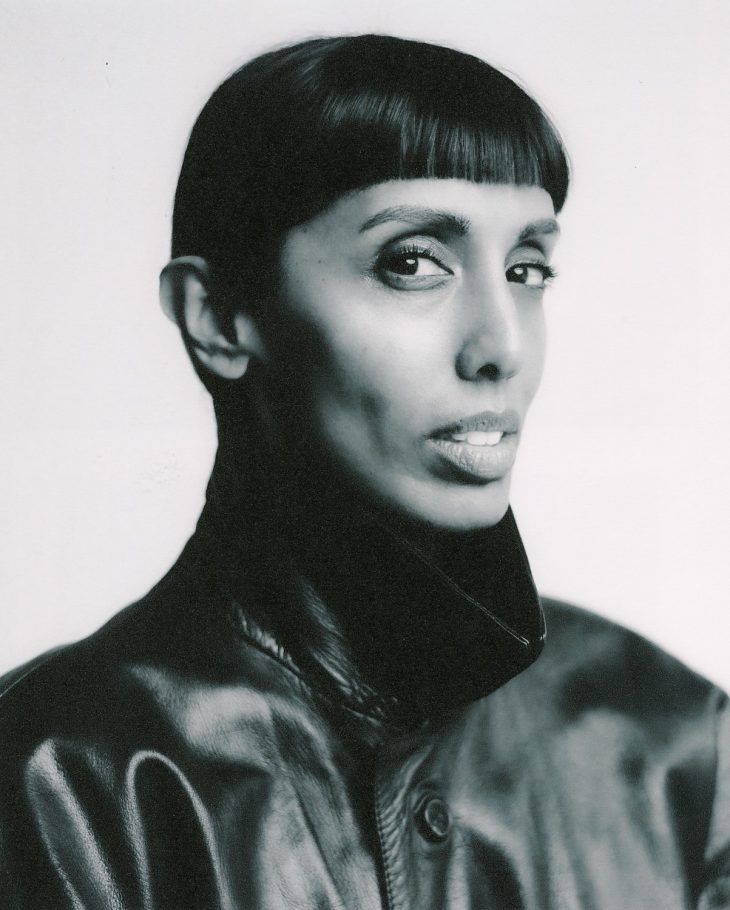
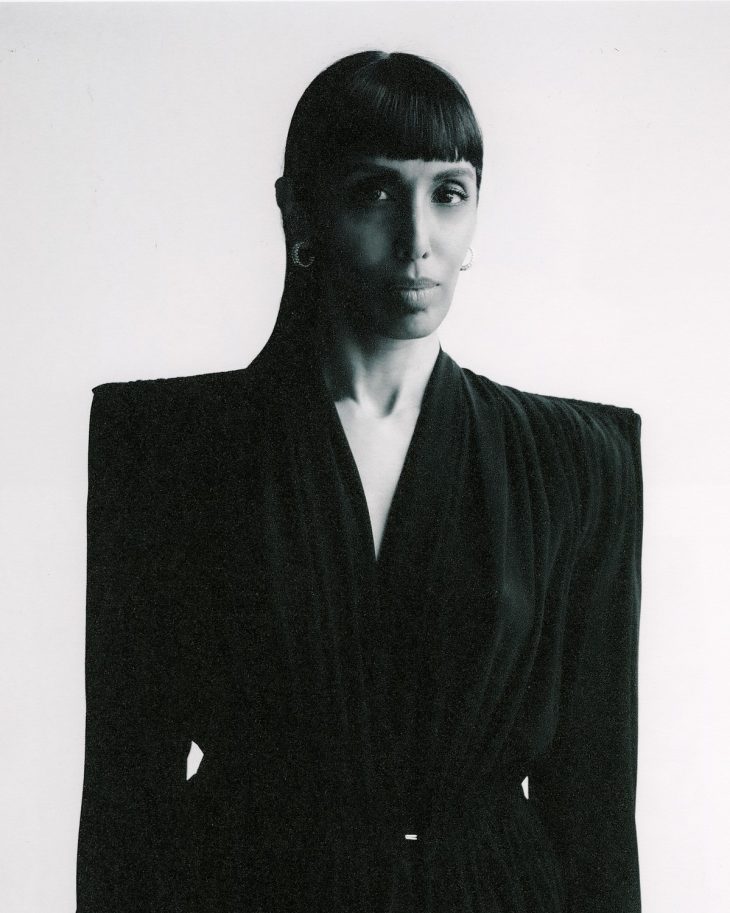
How do you celebrate your heritage in your everyday life or through your work?
I celebrate my heritage by staying connected to both sides of my culture—through food, music, language, and family traditions. In my work, I try to bring that same pride and authenticity to the way I present myself, whether it’s through styling choices, the stories I share, or simply by showing up as someone who reflects a mix of South Asian identities.
Do you feel that South Asians are adequately represented in the fashion and modelling industry?
No, not yet. While there’s been progress, South Asians—especially those of us with features that fall outside the industry’s narrow standards, like darker skin or curvier bodies with big hips—are still underrepresented. We’re often expected to conform to a single image of what South Asian beauty “should” look like. I want to challenge that. Being visible as a model with mixed heritage and a fuller figure helps push the industry toward a more honest and inclusive definition of beauty.
Can you share a moment when you felt truly seen or celebrated as a South Asian model?
One unforgettable moment was when incredible Patrick McDowell—a CSM alum and designer redefining sustainable fashion, who had just been awarded the Queen Elizabeth II Award for British Design by the BFC—saw me and chose me for his London Fashion Week shows. He embraced my South Asian heritage and my curves, including my hips, celebrating diversity in a way that made me feel truly seen and valued. That experience affirmed the importance of representation and being authentic in this industry.
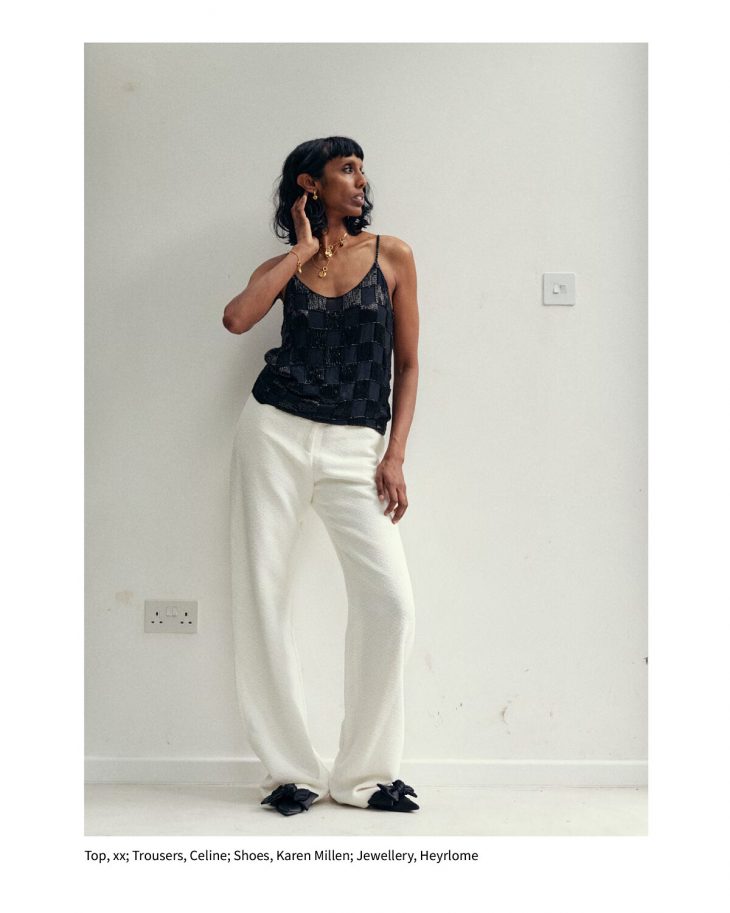
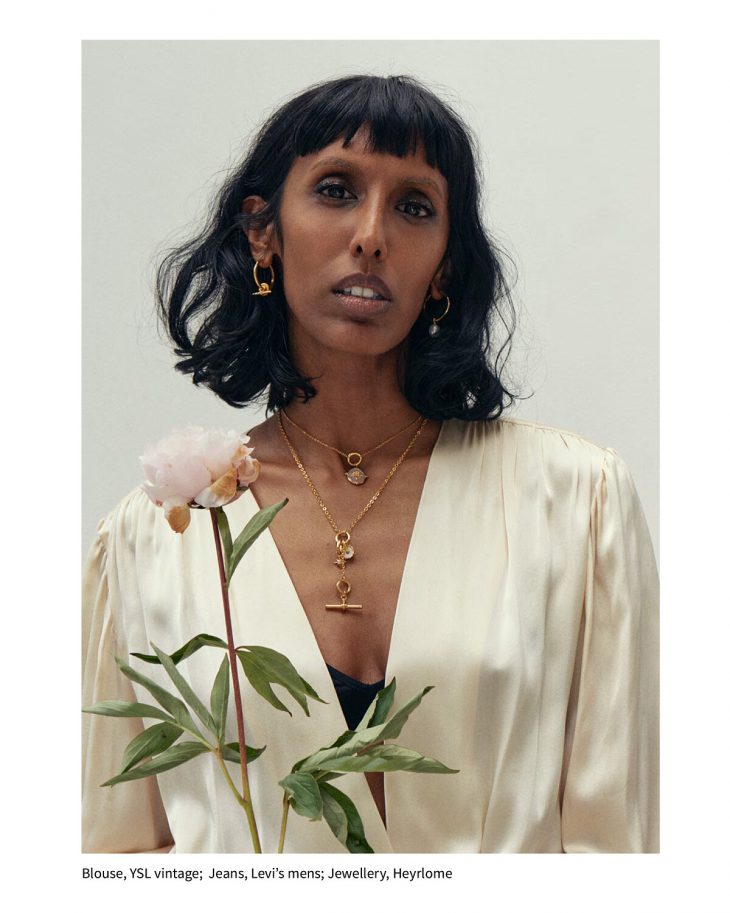
What impact do you hope your presence in the industry has on younger South Asian creatives?
I want younger South Asian creatives—especially those with dark skin—to know that their beauty is valid and powerful. You don’t have to conform to Western ideals of light skin or narrow standards to be seen or successful. My goal is to open doors, challenge stereotypes, and inspire confidence in being proud of who you are, exactly as you are.
How do traditional South Asian fashion or beauty ideals influence your personal style?
While I stay connected to my South Asian roots through growing back my hair and wearing my red bracelet, my personal style blends that heritage with a love for Margiela and androgynous fashion. I enjoy mixing traditional symbols with minimalist, gender-neutral designs—creating a look that respects where I come from but also pushes boundaries and expresses who I truly am.
Are there any South Asian designers or brands you’re especially proud to wear or collaborate with?
Yes, I’m proud to support South Asian designers like Ashish Gupta, who is known for his incredible use of sequins and vibrant designs. As a South Asian designer based in London, Ashish blends cultural heritage with modern fashion, celebrating diversity and bold self-expression. Wearing or collaborating with designers like him feels like a way to honor my roots while pushing boundaries in the industry.
Who are some South Asian trailblazers in modelling or fashion that inspire you?
Yasmeen Ghauri was the first supermodel I truly connected with. Even though she’s only half Pakistani, seeing someone with South Asian heritage at that level made me feel like there was a way in. I also deeply admire Naomi Campbell—her long hair, dark skin, and fearless presence gave me the courage to embrace who I am.
More recently, I’ve been inspired by models like Neelam Gill, who proudly represents South Asian beauty on global platforms, and designers like Supriya Lele, who blend cultural identity with modern design in such a fresh, unapologetic way. Seeing people like them thriving reminds me that we don’t have to fit into someone else’s mould—we can make our own space and bring others with us.
What advice would you give to young South Asians who want to enter the modelling industry?
Be proud of who you are—your skin tone, your features, your heritage. The industry is slowly changing, but it still needs more of you. Don’t feel pressured to fit into Western beauty standards or shrink yourself to be accepted. Your difference is your power. Stay grounded, find a support system that sees your worth, and walk into every space like you belong—because you do.
How do you stay grounded in your heritage while navigating global fashion spaces?
I stay grounded in my heritage by holding onto small but meaningful rituals—like wearing my red bracelet and growing my hair, which connect me to my South Asian roots. I also stay close to my family and community, and I remind myself that my presence in these spaces carries generations of strength with it. Fashion moves fast, but my culture gives me something deeper to stand on.
In what ways would you like to see the fashion industry evolve to better celebrate South Asian culture?
I’d love to see the fashion industry move beyond tokenism and really embrace the full diversity of South Asian culture—across skin tones, body types, and regional styles. That means not just featuring South Asian faces during Diwali or for one campaign, but integrating our stories, voices, and aesthetics year-round. I want to see more dark-skinned South Asians, more curves, more authentic storytelling—not just the polished surface, but the real depth of our culture.
What are your hopes for the next generation of South Asian models and creatives?
I hope my daughter grows up in a world where inclusion is the norm—not just one or two South Asian models on the books, but ten or more. I want her to see people who look like her in every campaign, on every runway, and in every creative space—not as exceptions, but as part of the standard. My hope is that the next generation doesn’t have to fight to be seen—they’ll already know they belong.